What Makes a Great Dental Emergenc Provider in Plano TX
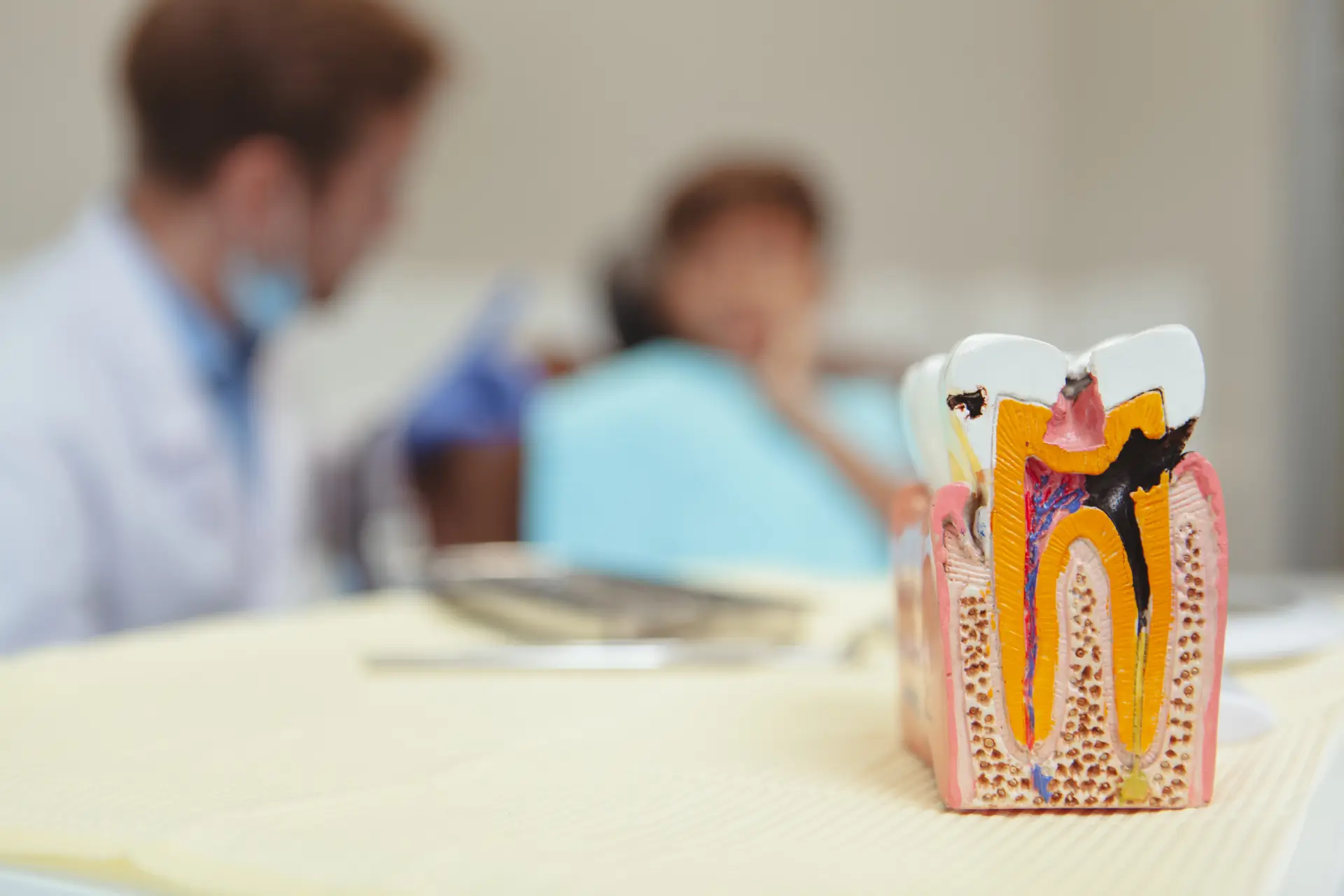
When a dental problem turns urgent, people stop thinking like comparison shoppers. They are not debating paint colors in the waiting room or whether the website looks modern. They want pain relief, clear answers, and a clinician who knows the difference between a problem that can wait until Monday and one that needs treatment right now. That is the real test of a dental emergency provider.
In a place like Plano, where families, professionals, students, and retirees all keep busy schedules, dental emergencies show up at inconvenient hours and for inconvenient reasons. A crown loosens before a business presentation. A child falls at soccer practice and chips a front tooth. A teenager wakes up with one side of the face swollen. Someone who has ignored a dull toothache for months suddenly cannot sleep because the pain has become sharp, constant, and impossible to manage. In those moments, the quality of care matters far more than marketing language.
A great provider for a Dental Emergency Plano TX case does much more than squeeze patients into the schedule. The best offices have systems, judgment, and bedside manner that hold up under pressure. They know that emergency dentistry is part clinical skill and part crisis management. It requires speed, but not haste. It requires confidence, but not arrogance. Most of all, it requires an ability to make good decisions when the patient is hurting, anxious, and often short on time.
The first measure is how the office responds before you ever sit in the chair
A strong emergency visit often begins with the phone call. This is one of the clearest signs of whether a practice is truly prepared for urgent care. Staff should know how to ask the right questions without sounding scripted. Where is the pain? Is there swelling? Has there been trauma? Is there bleeding that will not stop? Has the tooth been knocked out completely, or is it just loose? Can the patient swallow and breathe normally?
Those details matter because dental emergencies are not all equal. A cracked molar with manageable discomfort is urgent, but facial swelling with fever can point to a spreading infection that needs immediate attention. A knocked out adult tooth can sometimes be saved if treated quickly, often within a narrow window. An office that understands triage can tell the difference and guide the patient accordingly.
Good emergency providers also avoid the two extremes that frustrate patients most. The first is false reassurance, where everything is minimized over the phone even when warning signs are obvious. The second is vague alarmism, where staff say little beyond “come in immediately” without giving practical next steps. Patients do better when they are told exactly what to do. If a tooth has been avulsed, for example, they should be instructed to handle it by the crown, not the root, gently rinse it if dirty, and keep it moist in milk or saliva while getting to the office. If swelling affects breathing or swallowing, they should be directed to emergency medical care without delay.
That kind of phone guidance reveals training, not just friendliness.
Availability matters, but real availability means more than extended hours
Many offices advertise same day visits. Not all of them actually reserve time for emergencies. Some mean they will “try to fit you in” if a cancellation opens. Others can only offer a quick look, with definitive treatment delayed for days. For patients in pain, that distinction is significant.
A great dental emergency provider in Plano TX builds emergency capacity into the daily schedule. They understand that urgent dentistry cannot be treated like an interruption. It is part of the job. That may mean blocked time for same day evaluations, a doctor who can stay flexible, or a team trained to turn rooms over quickly without cutting corners.
Availability also includes after-hours planning. Few dental offices are open around the clock, and that is understandable, but the better ones still have a clear system for nights, weekends, and holidays. Patients should not have to guess whether they are dealing with something dangerous. Reliable after-hours instructions, on-call guidance, and a process for determining whether someone should go to a hospital or wait for the office to open are all marks of a serious emergency practice.
One practical point that patients often overlook is diagnostic availability. It helps little to be seen quickly if the office cannot take the necessary images, evaluate a fracture, or perform common urgent procedures that day. A provider who truly handles emergencies should be ready to diagnose and begin treatment, not just confirm that a problem exists.
Pain control is not the same as problem solving
Many emergency patients assume the main goal is to “get something for the pain.” The better question is whether the dentist can identify the source and address it responsibly. Good pain management matters, of course, but a great emergency visit does not stop at temporary relief.
Take a severe toothache. The pain may come from deep decay, a cracked tooth, an abscess, a failing filling, gum inflammation, or even grinding-related trauma. Each calls for a different approach. Sometimes the right first step is drainage, sometimes a pulpotomy, sometimes an extraction, sometimes antibiotics, and sometimes no antibiotics at all. Overprescribing antibiotics for every swollen gum or painful tooth is not a sign of thorough care. It is often a sign that the underlying issue is not being treated.
This is where experience shows. Dentists who regularly manage emergencies become skilled at spotting patterns that newer clinicians may miss. A patient says the tooth only hurts when biting down and releasing, which can point toward a crack. Another says cold lingers for a full minute after drinking water, a common clue that the pulp may be inflamed beyond recovery. Another cannot localize the pain at all, and the dentist needs to distinguish between a dental source, sinus pressure, jaw muscle pain, or nerve-related symptoms.
Patients feel the difference when the clinician explains what is happening in plain language. Not dumbed down, just clear. The visit becomes less frightening when the dentist says, “This tooth is infected at the root, and that is why the pressure is building,” rather than offering a blur of jargon and a consent form.
Clinical judgment under pressure separates average care from excellent care
Emergency dentistry is full of trade-offs. Sometimes the ideal treatment is not the immediate treatment. Sometimes a temporary solution is the most ethical choice because the patient is traveling, the swelling must settle first, or a specialist is needed. Great providers know when to stabilize and when to proceed.
A front tooth fractured in an accident offers a good example. If the nerve is exposed and the patient is in pain, quick intervention matters. But the dentist also has to think beyond the first hour. Is the root intact? Has the tooth been displaced? Is there damage to the surrounding bone or soft tissue? Is the bite now off? A rushed cosmetic patch that ignores deeper trauma can lead to a much bigger problem later.
The same applies to infections. Not every swollen area needs extraction on the spot. Not every painful tooth can be saved. A skilled emergency dentist balances urgency with prognosis, budget, the patient’s medical history, and the likelihood of long-term success. That is not indecision. It is professional judgment.
People often assume that faster is always better. In reality, better is better. Fast care only counts if the diagnosis is sound and the plan makes sense.
The best providers stay calm when patients are not
Dental emergencies are emotional. Pain strips away patience. Swelling changes appearance and can trigger panic. Trauma cases often arrive with family members who are frightened, guilty, or angry. Children may be crying before they even reach the operatory. Adults who usually manage stress well may become tearful, embarrassed, or unusually quiet.
An excellent emergency provider does not treat that emotional state as an inconvenience. They know fear affects everything, from blood pressure to consent to the ability to remember aftercare instructions. A calm, efficient team can lower the temperature in the room within minutes.
That starts with simple behavior. Someone greets the patient promptly. No one acts surprised by blood, swelling, or distress. The assistant explains what will happen next. The dentist introduces priorities clearly: first, control the pain; second, find the cause; third, discuss options. Patients can handle difficult news better when the process feels steady.
I have seen this matter especially in pediatric cases. A child with a chipped permanent front tooth usually mirrors the adults around them. If the staff rushes, the child spirals. If the team speaks confidently and kindly, the child often settles enough for imaging and treatment. Technical skill is vital, but emotional steadiness is a clinical asset too.
Technology helps, but only when it supports judgment
Modern imaging and equipment can improve emergency care significantly. Digital radiographs speed diagnosis. Cone beam imaging can help in certain trauma or infection cases. Intraoral cameras let patients see cracked margins, broken cusps, or swollen tissue for themselves. Rotary endodontic tools, reliable local anesthetic techniques, and same-day restorative capability can make treatment more efficient and more comfortable.
Still, technology is not what makes a provider great on its own. A fancy scanner does not compensate for weak diagnostic reasoning. A polished website does not tell you whether the office can numb a hot tooth successfully, manage a difficult extraction, or recognize when referral is the safest option.
That last point deserves attention. Good emergency dentists know their limits. If a case requires an oral surgeon, endodontist, periodontist, or hospital setting, they say so. They do not bluff through a complicated situation to avoid losing a case. In practice, patients tend to trust clinicians more when they are candid about what should happen next.
Communication about money becomes part of the care experience
Pain makes people vulnerable, and financial uncertainty intensifies that vulnerability. One hallmark of a trustworthy Dental Emergenc provider is transparency about cost before treatment moves too far forward.
Emergency dental care can involve several layers. There may be an exam fee, imaging, palliative treatment, definitive treatment, prescriptions, possible specialist referral, and later restorative work. Patients do not need every exact number in the first five minutes, but they do need a clear map. If the likely choices are root canal versus extraction, or temporary repair versus full crown replacement later, the office should explain both the clinical and financial implications.
This matters in Plano because the patient mix is broad. Some have strong dental benefits. Some have high deductibles. Some are uninsured and paying out of pocket. A great provider does not shame people for budget limits, but also does not pretend cheaper options carry no trade-offs. Saving a tooth is often worth it, but not every tooth has the same strategic value or prognosis. Honest discussions build trust.
Here are a few signs that financial communication is being handled well:
- The office explains what is diagnostic, what is temporary, and what is definitive treatment.
- Staff review likely fees before major work begins, when possible.
- Alternatives are presented honestly, including risks and limitations.
- Insurance is discussed as an estimate, not a guarantee.
- Written aftercare and follow-up plans are provided so there is no confusion later.
That kind of clarity prevents a second crisis after the first one is over.
Follow-up is where many emergency visits succeed or fail
An emergency appointment is often the first chapter, not the whole story. Pain may be controlled and the immediate threat handled, but healing, restoration, and long-term prognosis still depend on what happens next.
If a tooth is opened to relieve pressure, the patient may still need root canal therapy and a crown. If a tooth is extracted, they may need socket care, bone preservation, and later discussion of replacement options. If trauma loosened a tooth, the dentist may need to monitor vitality over time because problems can emerge weeks or months later. If a temporary crown or filling was placed, someone has to make sure it becomes permanent care rather than a six-month delay.
Excellent emergency providers set expectations before the patient leaves. They explain what symptoms are normal, what warning signs require a call, and when reevaluation is necessary. They also make follow-up realistic. A patient who leaves still numb, exhausted, and relieved may remember only half of what was said. Written instructions matter. So does a genuine invitation to call if pain increases, swelling spreads, or a temporary restoration comes loose.
In practice, this is where average offices often show gaps. They are strong in the urgent moment but weak in continuity. The best clinics treat emergency care as part of an ongoing clinical relationship, even if the patient first arrived as a stranger.
Not every “emergency” is dramatic, but it can still be urgent
A common misunderstanding is that dental emergencies must involve obvious trauma or extreme pain. In reality, some of the most important urgent cases look deceptively mild at first.
A small pimple-like bump on the gum can indicate a draining infection. A loose adult tooth after a minor impact may signal ligament injury that needs quick stabilization. A sharp edge from a broken filling can cut the tongue repeatedly and make eating miserable. A lost crown may not hurt much today, but if the underlying tooth has little structure left, delay can turn a simple recementation into a much larger restoration. A new numbness or strange taste can point to infection or nerve involvement that should not be ignored.
This is one reason experienced triage matters so much. Patients are not expected to diagnose themselves. They are expected to seek help when something feels wrong. The office should know how to sort what can wait, what should be seen the same day, and what belongs in a medical emergency setting.
Local reputation matters, but look deeper than star ratings
Online reviews can be helpful, especially when they describe concrete experiences rather than generic praise. Still, emergency care has nuances that ratings alone do not capture. A five-star review that says “beautiful office” tells you very little. More useful are patterns in what people report: whether they were seen promptly, whether pain relief was effective, whether the dentist explained options clearly, whether the staff handled anxiety well, and whether follow-up happened as promised.
If you are evaluating a Dental Emergency Plano TX provider before you need one, look for evidence of real emergency readiness. Does the office mention trauma care, abscess management, same-day diagnostics, cracked teeth, knocked-out teeth, or urgent extractions? Is there a clear after-hours protocol? Are there signs the practice serves both adults and children if your household needs that flexibility? Does the office explain what patients should do before arrival in common emergency situations?
A thoughtful website cannot prove clinical quality, but it can reveal whether a practice has considered the actual needs of urgent patients.
What patients should notice in the first thirty minutes
You can learn a lot about an emergency practice quickly. These details often tell the story:
- Staff take your symptoms seriously without creating unnecessary fear.
- Diagnostic steps happen promptly, not after a long administrative delay.
- The dentist focuses on the source of the problem, not just the visible symptom.
- Options are explained in plain language with trade-offs, not pressure.
- You leave with a plan, not a vague promise to “watch it.”
That may sound basic, but under pain and stress, basics become everything.
Why this matters in a growing city like Plano
Plano has a wide range of dental options, from solo neighborhood practices to larger multi-doctor offices. That is good for patients, but it also means the label “emergency dentist” gets used broadly. Some providers truly manage urgent cases every week. Others use the phrase https://riveruoms009.quantlynix.com/posts/best-steps-to-take-during-a-dental-emergency-in-plano-tx mainly for search visibility. Patients usually discover the difference when something goes wrong at the least convenient time.
A great emergency provider earns trust by being reliable in the moments that are hardest to fake. They answer decisively. They diagnose carefully. They numb effectively. They treat what they can treat, refer what they should refer, and explain the rest. They respect both the urgency and the person behind it.
When people search for a Dental Emergency Plano TX office, they are often doing it from a parking lot, a kitchen table at midnight, or the passenger seat on the way to care. They do not need perfection. They need competence, calm, and honesty. That is what makes a provider stand out.
The strongest emergency dental practices understand a simple truth. Patients remember how fast they were seen, but they remember even more clearly whether they felt safe in the hands treating them. In urgent dentistry, that combination of speed and judgment is not a bonus. It is the standard.
Vitality Dental
Address: 1220 Coit Rd #106, Plano, TX 75075
Phone number: +19726454100
FAQ About Dental Emergency Plano TX
What can the ER do for a tooth?
An emergency room (ER) can manage pain and treat severe infections with medication, but it cannot fix or pull a tooth.
What is considered a dental emergency?
A dental emergency is any oral health problem that involves severe pain, uncontrollable bleeding, or an infection that threatens your health or requires immediate care to save a tooth.
Is there a 24-hour dental service in Plano, TX?
There is no physical dental clinic in Plano, Texas, that stays open with walk-in staff 24 hours a day, but several offices offer 24/7 phone support, late-night hours, or same-day emergency care.