Can Invisalign Help You Achieve a Healthier Bite?

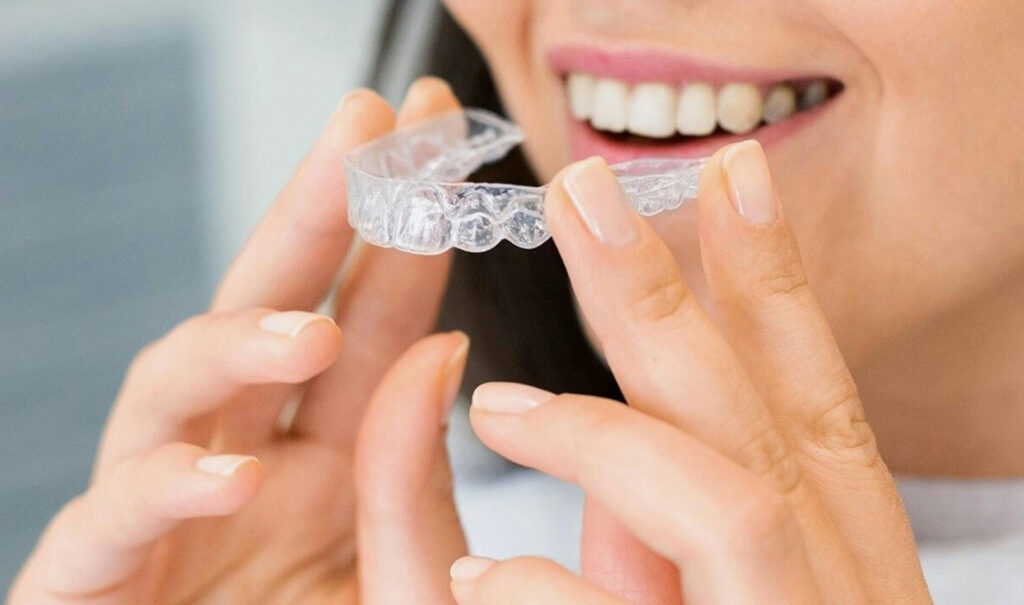
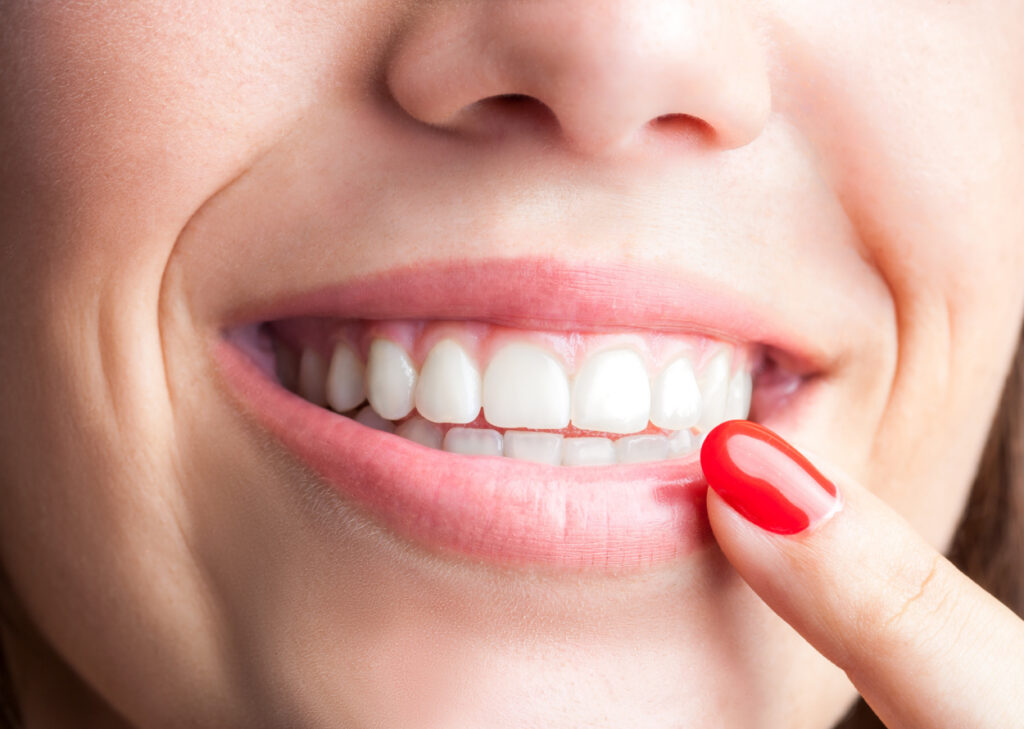
A straighter smile gets most of the attention, but alignment is only part of the story. In practice, many adults who ask about Invisalign are less concerned with cosmetics than with how their teeth actually meet. They notice uneven wear on the front teeth, soreness in the jaw after chewing, a habit of clenching that seems to be getting worse, or the sense that certain teeth hit too early while others barely touch at all. Those complaints point to bite function, not just appearance.
A healthy bite matters because teeth are not meant to work in isolation. They share force. When they fit together reasonably well, chewing is more efficient, the teeth are less likely to overload one another, and the jaw joints do not have to compensate as much. When the bite is off, the body often adapts for a while. People can function for years with crowding, a deep bite, a crossbite, or an open bite. The problem is that adaptation is not the same as harmony. Over time, that mismatch can show up as chipping, gum recession around overloaded teeth, tenderness in the muscles of chewing, or simple frustration with a smile that never feels comfortable.
That is where Invisalign enters the conversation. Clear aligners can do much more than straighten a few crooked front teeth. In the right case, with the right planning, they can help improve the way the upper and lower teeth fit together and support a healthier bite. The important phrase is “in the right case.” Invisalign is a powerful orthodontic tool, but it is still a tool. It has strengths, limits, and certain types of movements that demand more skill, more attachments, and sometimes more patience than people expect.
What “a healthier bite” really means
Dentists and orthodontists use several terms to describe bite relationships, but patients usually feel the issue before they can name it. They notice that the front teeth overlap too much, or not enough. They chew on one side because the other side feels awkward. Food gets trapped because certain teeth are tipped inward. The back teeth do not seem to touch evenly. A healthy bite does not require textbook perfection. Many people have small asymmetries and do just fine. The goal is comfort, stability, and function.
That usually means the upper and lower arches are coordinated, the back teeth touch in a balanced way, and the front teeth guide the bite without taking more force than they should. It also means the jaw can close repeatedly without a strain pattern. There is no single “ideal” that applies equally to every patient, especially adults with existing dental work, worn teeth, or a history of clenching. Good treatment planning respects those realities.
One of the most common misunderstandings is the idea that straight teeth automatically produce a healthy bite. They often help, but straightness alone is not enough. Teeth can look aligned in the mirror and still contact poorly. Conversely, some smiles have mild cosmetic imperfections yet function extremely well. That is why any serious Invisalign consultation should go beyond photos of the front teeth. A clinician needs to look at how the arches fit together from the sides, how the bite shifts on closure, whether teeth are missing or heavily restored, and whether gum support is strong enough to tolerate movement.
How Invisalign changes bite relationships
Invisalign works by moving teeth in small planned increments through a series of custom aligners. Each tray delivers controlled force. Across months, sometimes longer, those forces can tip, rotate, intrude, extrude, broaden, or refine the position of teeth. Attachments, which are small tooth-colored shapes bonded to the teeth, often give the aligners extra grip to accomplish more difficult movements. Elastics can also be used in some cases to influence bite relationships between the upper and lower arches.
When bite improvement is the target, the planning becomes more sophisticated than simply “lining up” crowded teeth. The clinician may aim to reduce a deep overbite by intruding front teeth or leveling the curve of the arches. They may correct a mild to moderate crossbite by expanding one arch within biological limits. They may close spaces that are causing drifting and unstable contacts. They may upright tilted teeth so that forces land more along the long axis of the tooth rather than on an edge.
This matters because bite problems are often three-dimensional. A tooth may be too far forward, too far inward, and slightly rotated at the same time. A good Invisalign plan anticipates those layers. In strong hands, aligners can handle a great deal of that complexity. In weak planning, they can create a smile that photographs well but leaves the posterior bite unsettled, especially if refinement is rushed or skipped.
One of the practical advantages of Invisalign is visibility. The digital treatment setup allows both patient and clinician to see the intended movement before treatment begins. That preview does not guarantee the mouth will behave exactly like the software, because biology has a vote, but it does help reveal whether the planned bite result is thoughtful or superficial. If the digital setup shows front teeth neatly arranged but back teeth barely contacting, that should trigger questions before the first tray is ever worn.
Which bite problems can Invisalign often help?
In everyday practice, Invisalign commonly helps with mild to moderate crowding, spacing, deep bites, some open bites, and certain crossbites. It can also improve overjet, which is the horizontal distance between the upper and lower front teeth, in selected cases. Many adults with relapse after childhood braces do especially well. Their teeth once fit better, drifted over time, and now need controlled correction rather than dramatic skeletal change.
Deep bites are a good example of where Invisalign can be surprisingly effective. Because aligners cover the biting surfaces, they create a small thickness between the teeth. That can help “unlock” the bite and make certain movements easier, especially when combined with proper staging. Patients who have been chipping their lower front teeth behind the upper incisors often feel a meaningful difference once that excessive overlap is reduced.
Open bites can also respond well in the right setting, particularly when the problem is dental rather than skeletal. Some adults develop an anterior open bite from tongue posture, habits, or eruption patterns. Aligners can close that gap, but stability depends on addressing the cause. If the tongue continues to push into the space, teeth may move back. That is one of those real-world details that matters more than the glossy before-and-after photos.
Crossbites vary. A single tooth in crossbite may be relatively straightforward. A broader posterior crossbite involving the back teeth can be more nuanced. Adults do not have the same skeletal flexibility as growing children, so what looks like “expansion” in an aligner plan is often dental expansion, meaning the teeth are tipped outward within the bone rather than the jaw itself widening. That can still be appropriate and useful, but there are limits. Push those limits too far, and the result may be unstable or unfriendly to the gums.
Where Invisalign has limits
The honest answer to the title question is yes, Invisalign can help create a healthier bite, but not every bite problem is best treated with aligners alone. Some issues are rooted in jaw size or jaw position rather than tooth position. A severe skeletal discrepancy, a major asymmetry, or a case that would clearly benefit from orthognathic surgery is not solved by plastic trays pretending the bones are somewhere else.
Even within tooth-based problems, some movements are more demanding than others. Large extrusions, significant root torque, and certain rotations can be less predictable. That does not mean impossible, but it does mean the treatment may require more attachments, more refinements, longer wear, or a willingness to switch to braces for part of the journey. Experienced clinicians discuss that upfront.
There is also the compliance factor. Invisalign only works well when it is worn as prescribed, often around 20 to 22 hours a day. For a purely cosmetic case, inconsistent wear may simply stretch treatment time. For a bite correction case, inconsistent wear can distort the planned sequence and produce contacts that are not landing where they should. Adults sometimes underestimate this. They are responsible and motivated, but frequent tray-out time for coffee, meals, social events, and work can quietly add up.
Another limit is biology. Teeth move through bone, not through software. Bone density, prior dental trauma, gum recession, missing teeth, implants, and heavily restored teeth all influence what is prudent. An implant will not move with aligners, so it becomes a fixed point around which the rest of the bite must be planned. A tooth with short roots or a history of trauma may need gentler expectations. These factors do not rule out Invisalign, but they shift how a healthy result is defined.
Signs your bite may need more than cosmetic straightening
Many patients come in asking whether Invisalign can “fix a few crooked teeth,” only to discover the deeper issue is functional. If any of the following sound familiar, a bite-focused evaluation is worthwhile:
- You chip, crack, or wear down certain teeth repeatedly
- Your jaw feels tired or sore after chewing, especially in the morning
- One side of your bite hits first, or you avoid chewing on one side
- Your front teeth overlap too much or do not meet at all
- You have gum recession around teeth that seem to take excess force
None of those signs automatically mean orthodontic treatment is necessary. Clenching, acidic diet, old restorations, and gum disease can also play a role. Still, they often show up in the same mouths where the bite is asking for attention.
Why provider experience matters so much
Invisalign is a brand and a system, not a diagnosis. Two people can wear the same brand of aligners and receive very different levels of care. The difference often lies in records, planning, and follow-through.
A thorough workup usually includes photographs, digital scans or impressions, and X-rays. In many cases, a clinician will also examine the bite in motion, not just in a static closed position. They may look at wear facets, gum support, previous restorations, and whether the jaw slides from one contact point into another when closing. That kind of detail may sound technical, but it shapes treatment. For example, if a patient has a deep bite and worn lower incisors, the plan may need to create space before it can safely align those front teeth. If someone has one undersized lateral incisor or a missing tooth, the bite may need to be coordinated with future bonding, veneers, or implants.
There is a practical saying in orthodontics: the last 10 percent of treatment can determine whether the result feels finished. That is especially true for bite work. The initial trays may handle crowding and visible alignment, but refinements often settle the contacts, improve the midlines, and correct those subtle premature hits that a patient senses when chewing. Skipping or minimizing that stage to “be done” can leave a result that looks nice but never feels completely right.
I have seen versions of this in many adult cases. A patient arrives saying they completed aligners elsewhere, their teeth look better, but chewing feels strange and the back teeth do not meet. Often the front teeth were aligned successfully while the posterior contacts were left underdeveloped. Sometimes refinements can improve that. Sometimes the patient needs more significant retreatment. It is a reminder that the goal should be a functional finish, not just a short treatment timeline.
Bite health is not the same as TMJ treatment
This distinction deserves care because it is often oversimplified. A poor bite can contribute to muscle strain or make certain habits more damaging, but not every jaw joint problem starts with tooth alignment. TMJ disorders are multifactorial. Stress, clenching, arthritis, trauma, sleep issues, and anatomy all play roles.
Can Invisalign reduce some bite-related contributors to discomfort? Yes, in selected patients. If certain teeth are colliding in a way that drives muscle overactivity, improving that relationship may help. If a deep bite is loading the front teeth and forcing a strained closure pattern, correcting it may feel better. But aligners are not a universal cure for jaw pain, and any clinician who presents them that way is overselling the process.
The best approach is measured. If a patient reports headaches, joint noise, locking, or significant pain, the evaluation should be broader than tooth movement alone. Sometimes orthodontic treatment is part of the answer. Sometimes it is not the first step.
What treatment can feel like day to day
Patients often ask whether Invisalign feels easier than braces when the bite is being changed, not just the front teeth aligned. Usually the answer is yes in terms of appearance and comfort, but “easier” still involves real commitment. Each new tray can create pressure for a day or two. Speech may feel slightly different at first. Attachments can make the teeth feel textured. Elastics, when used, add another layer of discipline.
The day-to-day advantage is that oral hygiene is simpler than with brackets. You remove the trays to brush and floss, which matters for adults with existing crowns, gum sensitivity, or a history of periodontal concerns. For bite cases, that cleaner environment can be an underrated benefit. Healthy gums support more predictable tooth movement.
There is a psychological side too. Because aligners are removable, some people feel more in control. Others find the constant wear requirement surprisingly demanding. The patients who do best usually build routines quickly. They have a case for the trays, a cleaning habit, and realistic expectations about wear time. They do not treat the aligners as optional during busy days.
How long it usually takes to improve a bite
Timelines vary with the complexity of the bite, not just how crooked the front teeth are. A mild relapse case might take several months. A deeper bite correction or a case involving crossbite, spacing, and refinements may take a year or longer. Adults often hear the initial estimate and assume that is the whole story. In reality, the first set of aligners is frequently only phase one. Refinements are common, and that is not failure. It is how many good cases are finished properly.
If your bite needs improvement, speed should not be the main selling point. A slightly longer course with careful finishing is usually a better trade than a rapid cosmetic result that leaves the bite unstable. Stability matters because teeth remember where they came from. Retainers matter for the same reason. A bite that has been corrected still needs support if it is going to last.
When braces or other treatment may be the better option
A professional answer includes alternatives. Traditional braces still offer excellent control in certain situations, especially when tooth rotations are severe, roots need substantial repositioning, or the bite requires more complex mechanics. Some patients are better served by a hybrid plan, meaning aligners for one phase and braces for another. Others may need restorative dentistry coordinated with orthodontics. If a tooth is too small, worn, or misshapen, the bite may not fully settle until bonding or crowns are completed.
The same goes for airway and habit issues. An open bite tied to tongue thrust may relapse unless myofunctional therapy or related support is part of the plan. A patient with severe clenching may still need a nightguard after treatment, because even a better bite does not erase a parafunctional habit.
That is one of the more mature ways to think about Invisalign. It is not a standalone magic fix. It is often one component in a broader plan for oral health.
Questions worth asking at your consultation
If your goal is a healthier bite, not just straighter teeth, the consultation should go deeper than price and tray count. A few questions can reveal whether the planning is function-driven:
- What specific bite issue are we correcting, and how will that change function?
- Will my case likely need attachments, elastics, or refinements?
- Are there any limits to what Invisalign can accomplish in my mouth?
- How will existing crowns, missing teeth, or gum recession affect the plan?
- What will retention look like once treatment is done?
You do not need a lecture in biomechanics, but you do deserve clear answers. If the discussion never gets beyond cosmetics, that is useful information.
The real answer
Invisalign can absolutely help many people achieve a healthier bite. For mild to moderate bite issues, and for selected complex cases in experienced hands, it can improve function, distribute force more evenly, reduce damaging contacts, and create a smile that not only looks better but feels better during everyday use. That is real value.
At the same time, the success of Invisalign for bite health depends on diagnosis, planning, and patient follow-through. It depends on whether the underlying problem is dental or skeletal, whether the planned movements are biologically sound, and whether the clinician is committed to a functional finish rather than a quick cosmetic win. It also depends on the patient wearing the aligners as prescribed and understanding that refinements and retention are part of the process, not afterthoughts.
If you are wondering whether Invisalign can help your bite, the best next step is a comprehensive orthodontic evaluation with someone who thinks beyond straight front teeth. Ask how your teeth are functioning now. Ask what would improve. Ask where the limits are. The right treatment plan should make sense in your mouth, not just on a screen.
That is the standard worth aiming for, a bite that is healthier, https://maps.app.goo.gl/qwemdSbhdbvoCnq5A more comfortable, and built to last.
Omni Dental Specialty
Address: 1690 E Gonzales Rd, Oxnard, CA 93036
Phone number: +18053666000
FAQ About Invisalign
How much does Invisalign actually cost?
The out-of-pocket cost for Invisalign typically ranges between $3,000 and $8,000, with most patients paying a national average of roughly $5,100 to $5,700 before insurance.
What is the downside to Invisalign?
The biggest downsides to Invisalign are the intense discipline required to wear the trays 22 hours a day, the inconvenience of removing them to eat or drink, and the inability to fix severe, complex orthodontic issues.
Is $5000 a lot for Invisalign?
No, $5,000 is not considered a lot for Invisalign; it is exactly the national average. Treatment costs typically fall between $3,000 and $8,000, and $5,000 is the standard fee for a moderately complex case that takes 6 to 18 months to complete.